
EVA foam cosplay for beginners.
New to EVA foam? You’re in the right place. Start your journey here with the essential information every beginner needs.
What is EVA foam?
EVA foam is a lightweight, flexible material commonly used for making costumes, cosplay armour, props and craft projects. EVA stands for Ethylene-Vinyl Acetate, a durable plastic foam that is easy to cut, shape, glue and paint.
You can find everything you need to begin EVA foam crafting on the Tyges Supplies website. These are the materials and tools I personally use and I cannot recommend them highly enough.
Why EVA foam is popular for cosplay and props
Lightweight — comfortable to wear for long periods.
Flexible — bends and shapes without breaking easily.
Easy to work with — can be cut with a craft knife and glued with contact cement or hot glue.
Heat-formable — softens with a heat gun so you can shape it into curves and armour pieces.
Affordable — cheaper and more beginner-friendly than many other prop-making materials.
Paintable — takes primer and paint well, allowing for realistic finishes.
Different thicknesses
EVA foam comes in various thicknesses, usually measured in millimetres (mm).
1–3mm: Thin details, layered designs and small accents.
5mm: The most versatile option for general builds. This is the thickness I use most.
10mm+: Large armour pieces, helmets and props that need more structure.
How to shape EVA foam
To shape EVA foam, use a heat gun—a hairdryer will not get hot enough. Heating the foam makes it soft and flexible, allowing you to bend it into curves and hold its shape as it cools.
Is EVA foam good for beginners?
Yes. EVA foam is one of the best materials for beginners because it is forgiving, inexpensive and easy to learn with. Even simple tools can be used to create impressive costumes and props.
A few things to know before you start
Use sharp blades for clean cuts.
Work in a well-ventilated area when using contact cement or heat tools.
Seal the foam before painting for a smoother finish.
Practise on scrap pieces first to get comfortable with cutting and shaping.
In simple terms
EVA foam is a beginner-friendly crafting material that can be cut, shaped with heat, glued together and painted to create lightweight costumes and props.
Your first build, step by step
1. Choose the right foam
Start with an accessible thickness that suits the project.
2. Use the tools you actually need
A sharp knife, cutting mat, heat gun, suitable adhesive and basic safety equipment will get you moving.
3. Print and transfer the pattern
Print an A4 template at full size, cut it out and trace it onto the foam.
4. Cut, heat and shape
Use controlled cuts and gentle heat to build clean curves and convincing forms.
5. Glue, seal and paint
Join the pieces, seal the surface and add colour and weathering.
Choose your first free template
Essential tools and materials
The products below are the materials and tools I personally use. Select any picture to open its product page on Tyges Supplies.
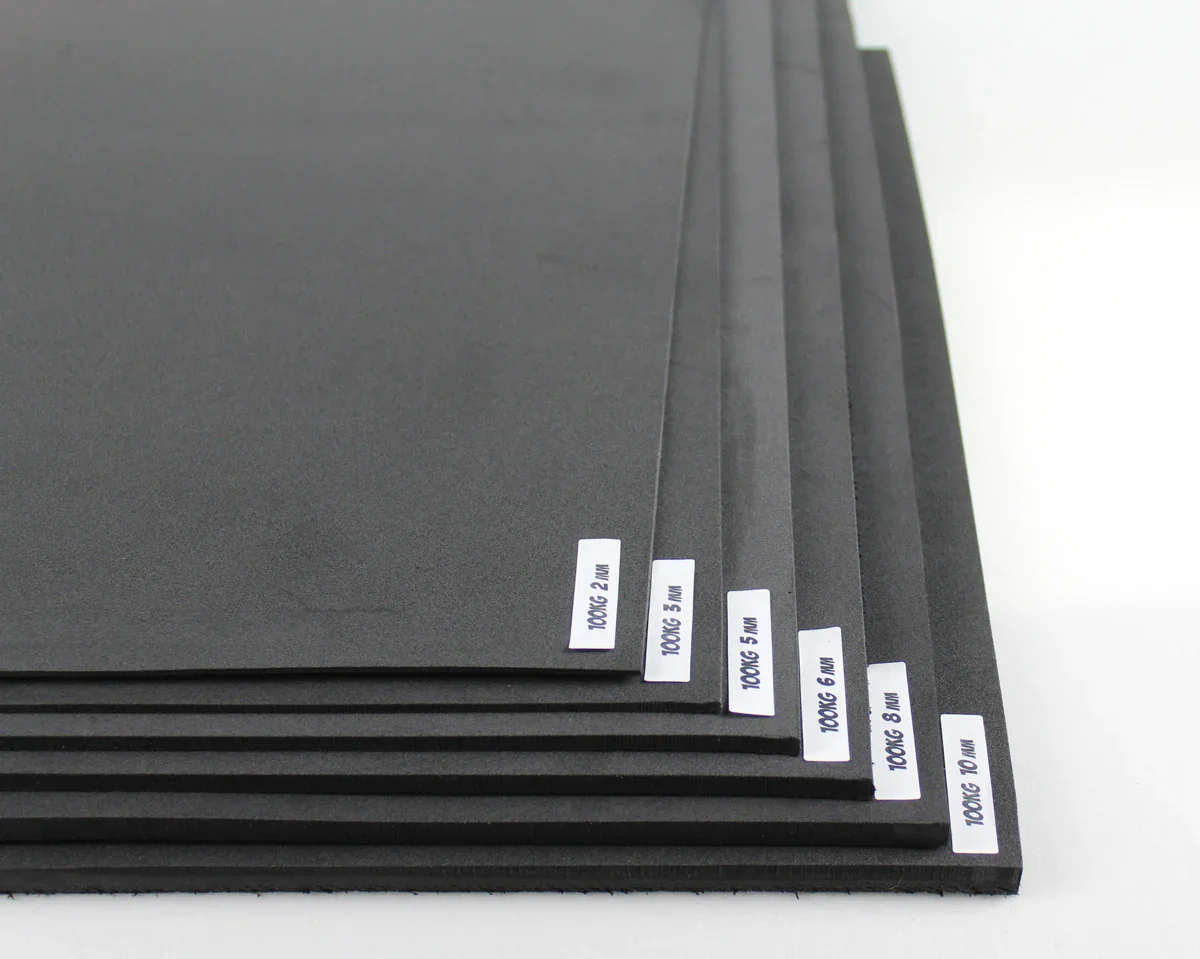 Shop EVA foam
 Shape it your way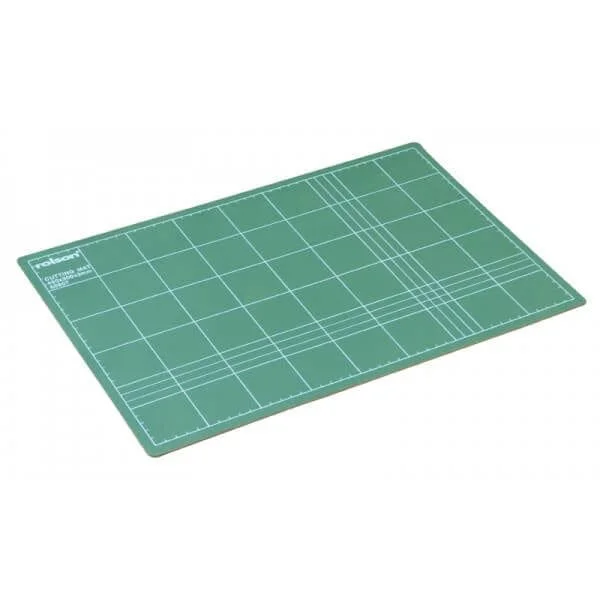
Cutting mat
Protects your work surface and makes cleaner, safer cuts.
View at Tyges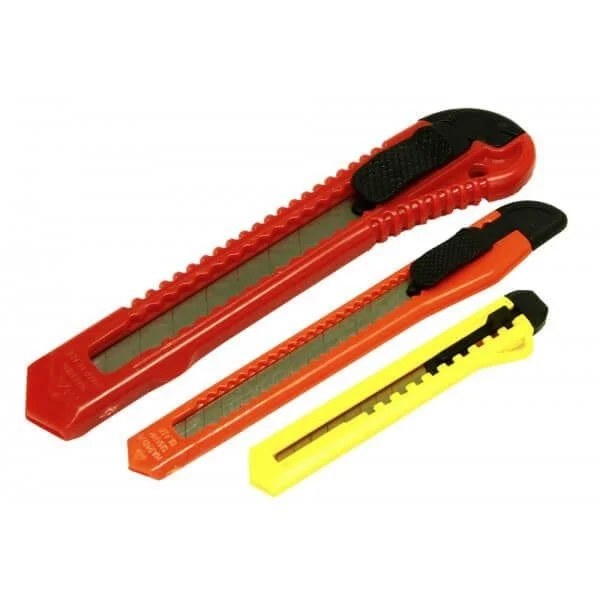
Utility knife set
Sharp blades are essential for smooth EVA foam edges.
View at Tyges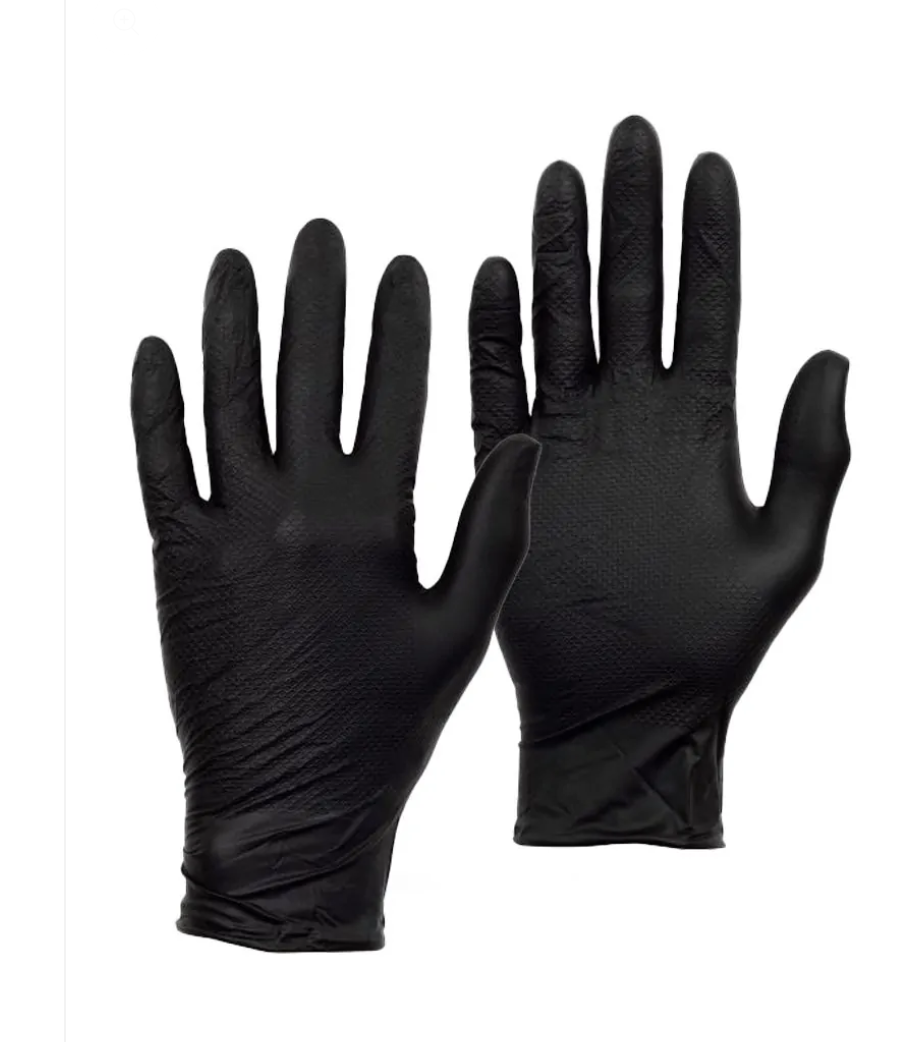
Nitrile gloves
Useful hand protection while gluing, sealing and painting.
View at Tyges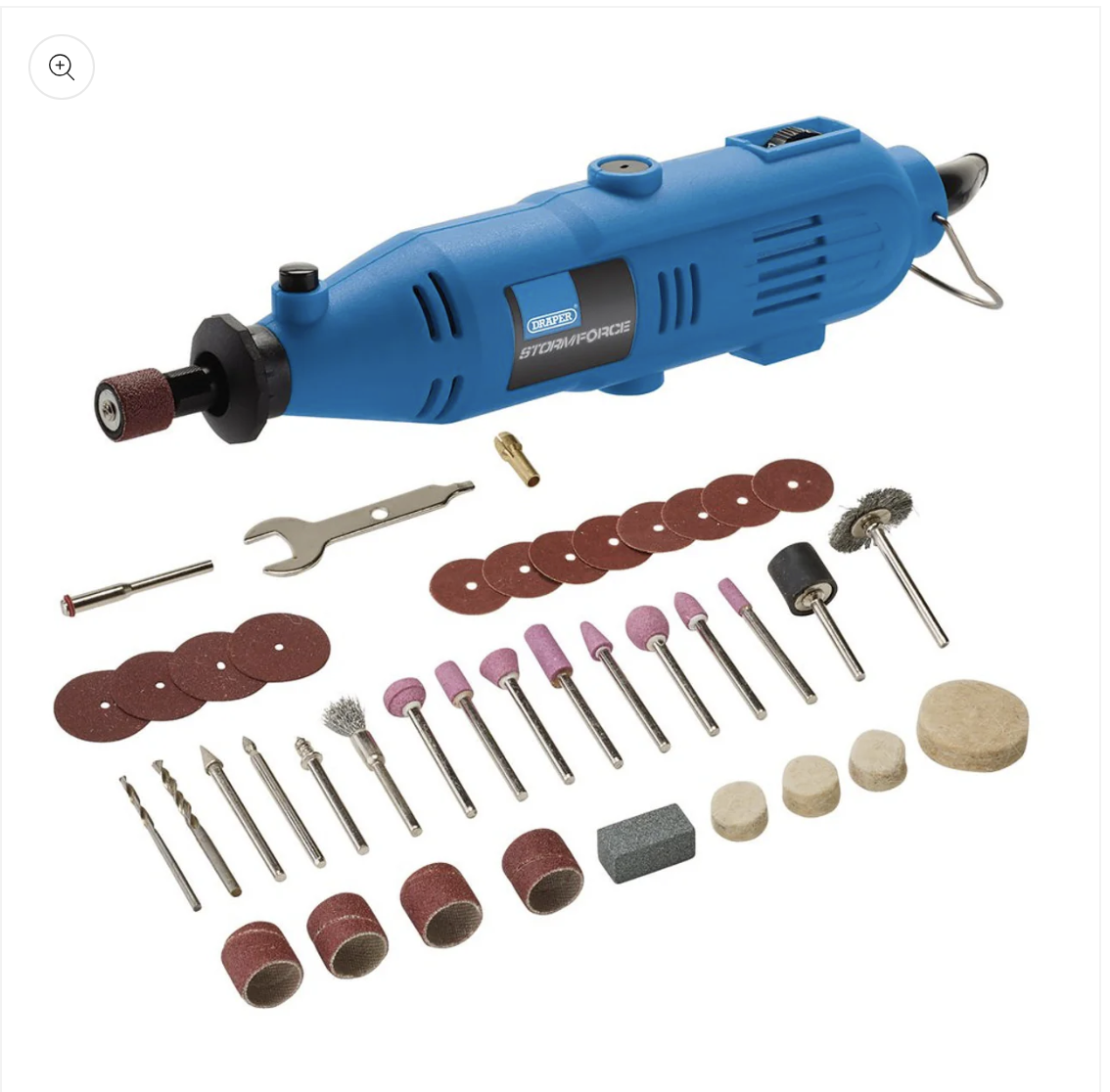
Rotary multi-tool
For bevels, shaping, sanding and adding foam texture.
View at Tyges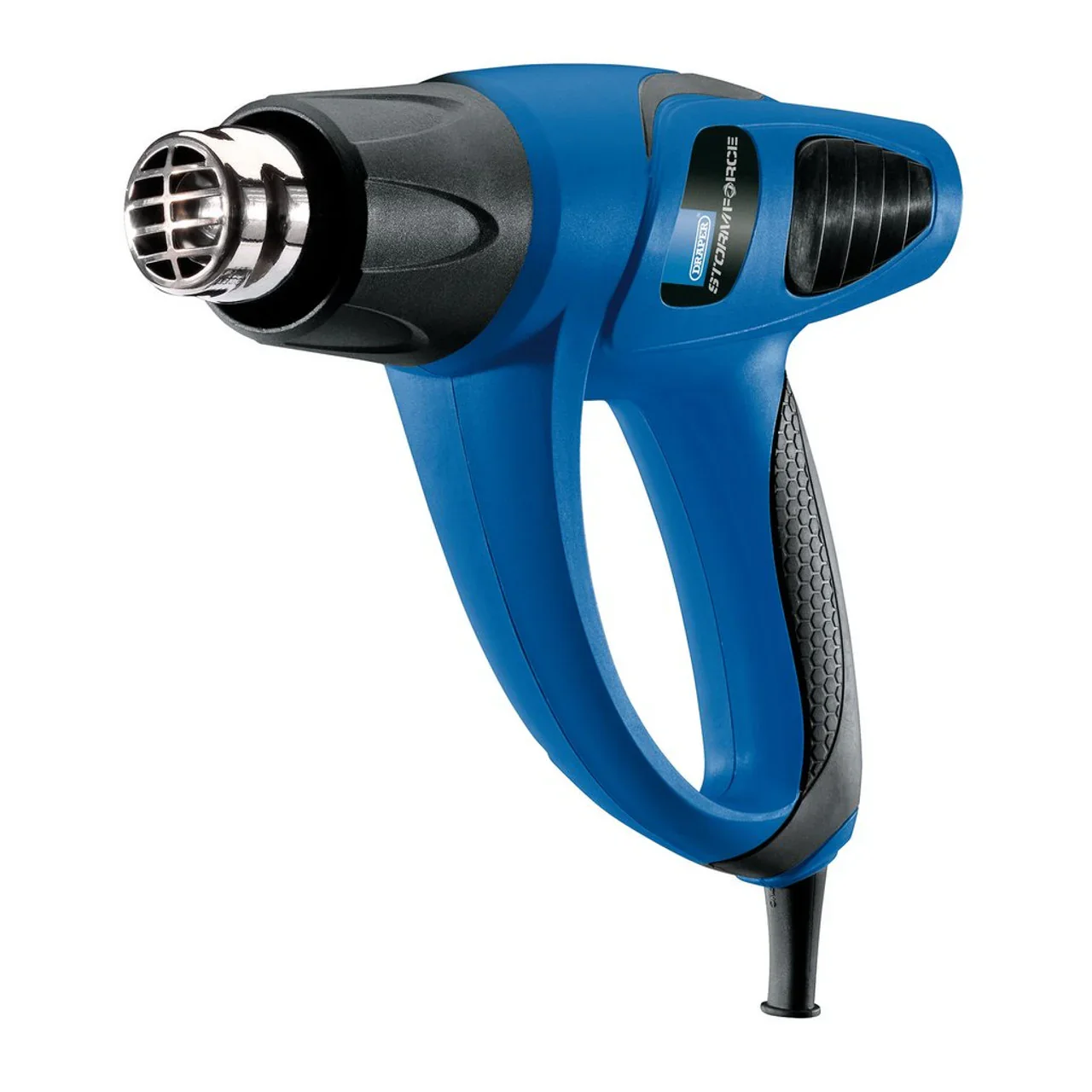
Heat gun
Heat-form curves, seal the surface and shape armour pieces.
View at Tyges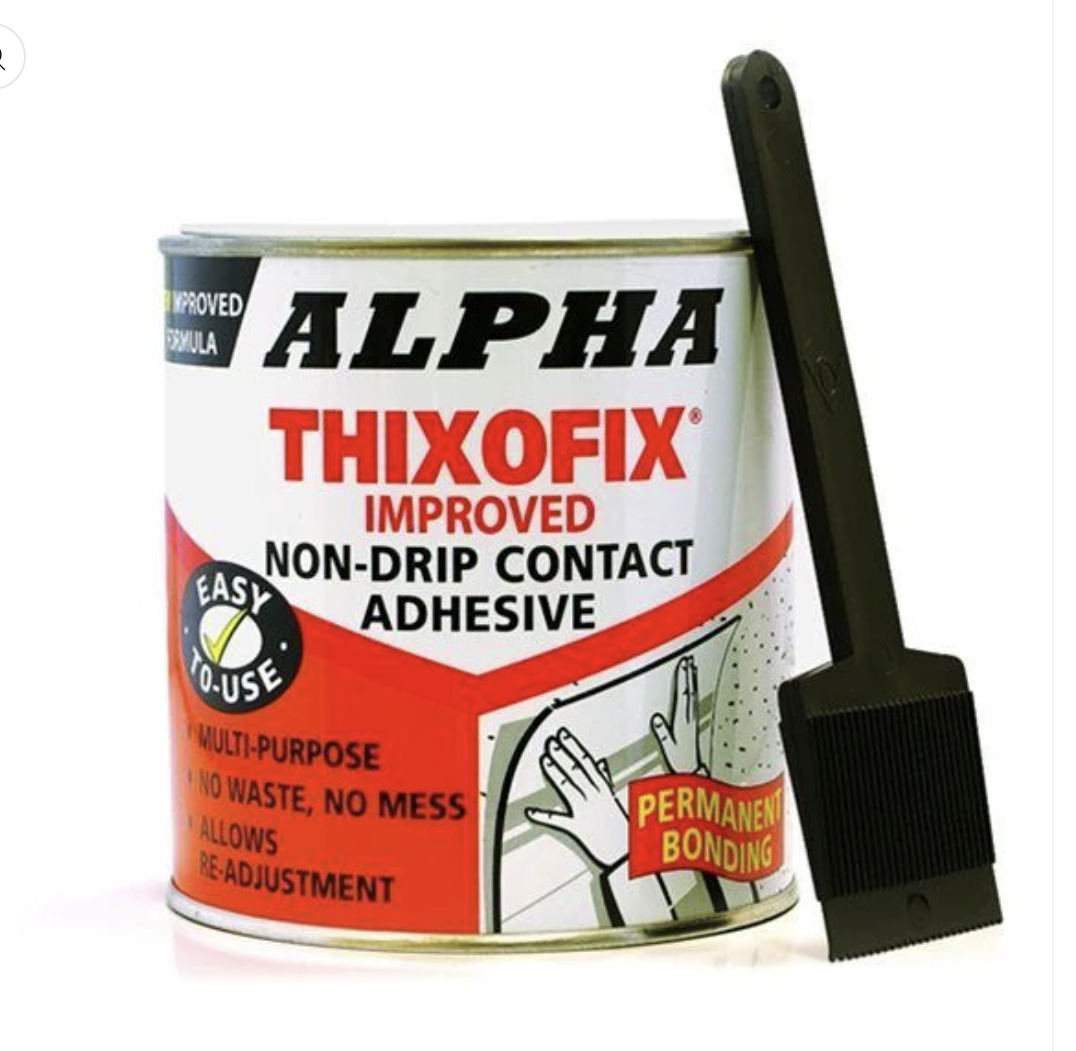
Contact adhesive
A strong flexible bond for joining EVA foam cleanly.
View at Tyges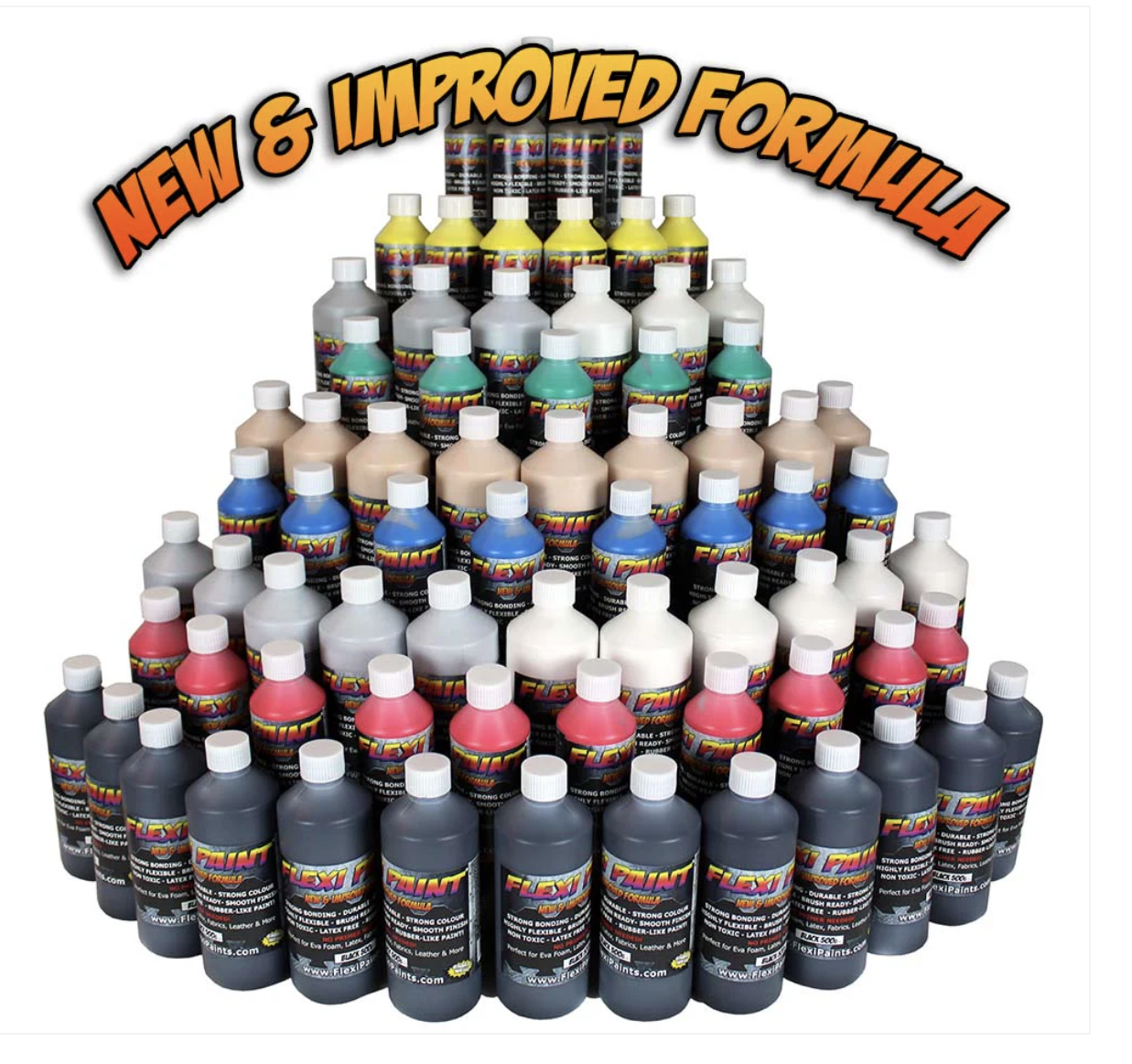
Flexible paint
Add colour without creating a brittle finish that cracks easily.
View at Tyges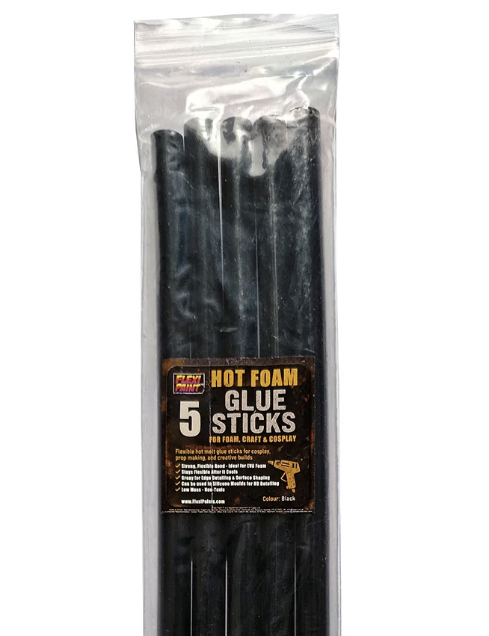
Hot foam glue sticks
A handy alternative for quick joins and smaller details.
View at Tyges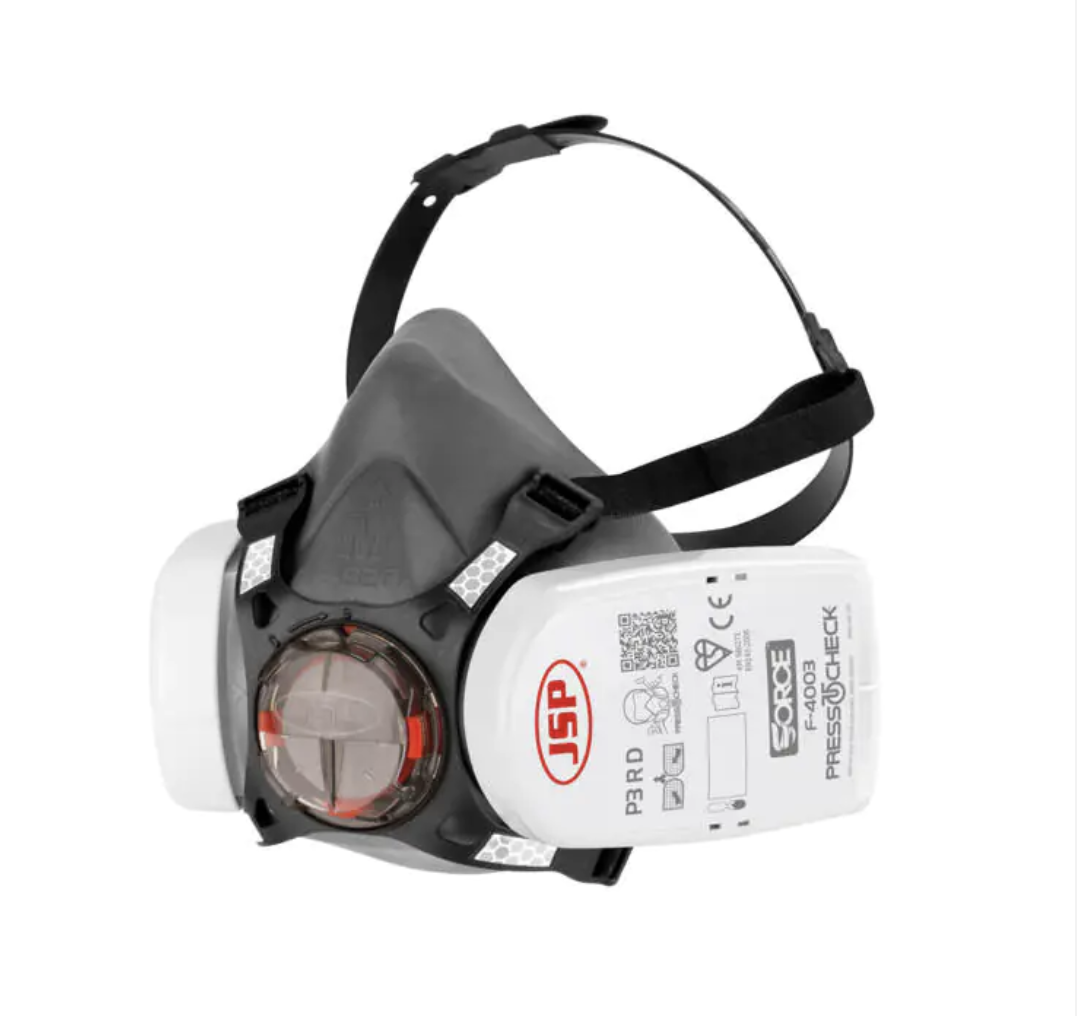
Respirator mask
Important protection when sanding and working with fumes.
View at Tyges